Living in Muğla: the province district by district
Türkiye’s south-western corner, where the Aegean meets the Mediterranean: resort peninsulas, sailing harbours, a lagoon coast and a quiet, upland interior. Here is how the thirteen districts differ for someone choosing where to buy.
- 12,654km²Total area of the province
- 1,099,547Residents at the 2025 count
- 13Districts, from Bodrum to Kavaklıdere
- 1,000+kmOf coast, the longest of any Turkish province
Where Muğla is
Muğla is a province rather than a single town. It fills the south-western tip of Anatolia, with Aydın and Denizli to the north, Burdur to the north-east and Antalya to the east, and its shore runs along both the Aegean and the Mediterranean. At 1,100 km by the usual measure, that shoreline is longer than any other Turkish province can claim.
The province covers 12,654 km² and counted 1,099,547 residents in 2025. Its capital, also called Muğla, sits about 20 km back from the sea in the district of Menteşe. Most buyers, though, know the province by its coastal names: Bodrum, Fethiye, Marmaris, Ölüdeniz, all among the country’s largest holiday resorts.
The climate is Mediterranean, with long dry summers. Beyond the beaches the province is a farming and quarrying region too: by Turkish Wikipedia’s count it produces about 90% of Türkiye’s pine honey, and it has more than a hundred excavated ancient sites, the UNESCO-listed Letoon near Fethiye among them.
The 13 districts
The district (ilçe) is what appears on a title deed after the province, so it is the first thing to settle. Most of them reach the sea, a few lie wholly inland, and they range from Bodrum, the most populous, to Kavaklıdere, the smallest.
-
Peninsula
Bodrum
A peninsula at the mouth of the Gulf of Gökova and the most populous district, with marinas in the town, at Yalıkavak and at Turgutreis.
-
Bay and harbour
Fethiye
A harbour town on the site of ancient Telmessos, whose district also takes in Ölüdeniz and Göcek. Dalaman Airport is its gateway.
-
Marina town
Marmaris
A sailing and diving centre with two large marinas and several small ones; İçmeler has more or less merged with it. Ferries run to Rhodes and Symi.
-
Peninsula
Datça
Almost the whole of a long, narrow peninsula between the Gökova and Hisarönü gulfs, ending at the ruins of Knidos. Olive and almond groves.
-
Lake and coast
Köyceğiz
A town at the northern end of Lake Köyceğiz, inside the Köyceğiz–Dalyan Special Environmental Protection Area.
-
Delta and coast
Ortaca
A farming district between Dalaman and Köyceğiz that includes Dalyan, with its Lycian rock tombs and the turtle beach at İztuzu.
-
Airport district
Dalaman
Home to Dalaman Airport. The Dalaman Stream marks much of its western edge, and Sarsala Bay lies on its shore.
-
Two gulfs
Milas
Ancient Caria’s first capital, with some 150 km of shore on the Güllük and Gökova gulfs. Milas–Bodrum Airport is 16 km south of the town.
-
Provincial seat
Menteşe
The district around Muğla city, the provincial seat, with Muğla Sıtkı Koçman University. The city sits roughly 20 km back from the coast.
-
Coast and uplands
Seydikemer
Formed from part of Fethiye district; its town lies about 30 km inland from Fethiye and keeps a traditional market-town feel.
-
Gulf of Gökova
Ula
An old town 14 km from Muğla city whose district reaches the head of the Gulf of Gökova at Akyaka, known for houses in Nail Çakırhan’s style.
-
Inland
Yatağan
An inland town about 26 km north of Muğla city, a few kilometres from the ruins of ancient Stratonikeia.
-
Uplands
Kavaklıdere
Forested upland at around 880 metres, known for its marble and slate quarries.
Peninsulas, gulfs and a lagoon
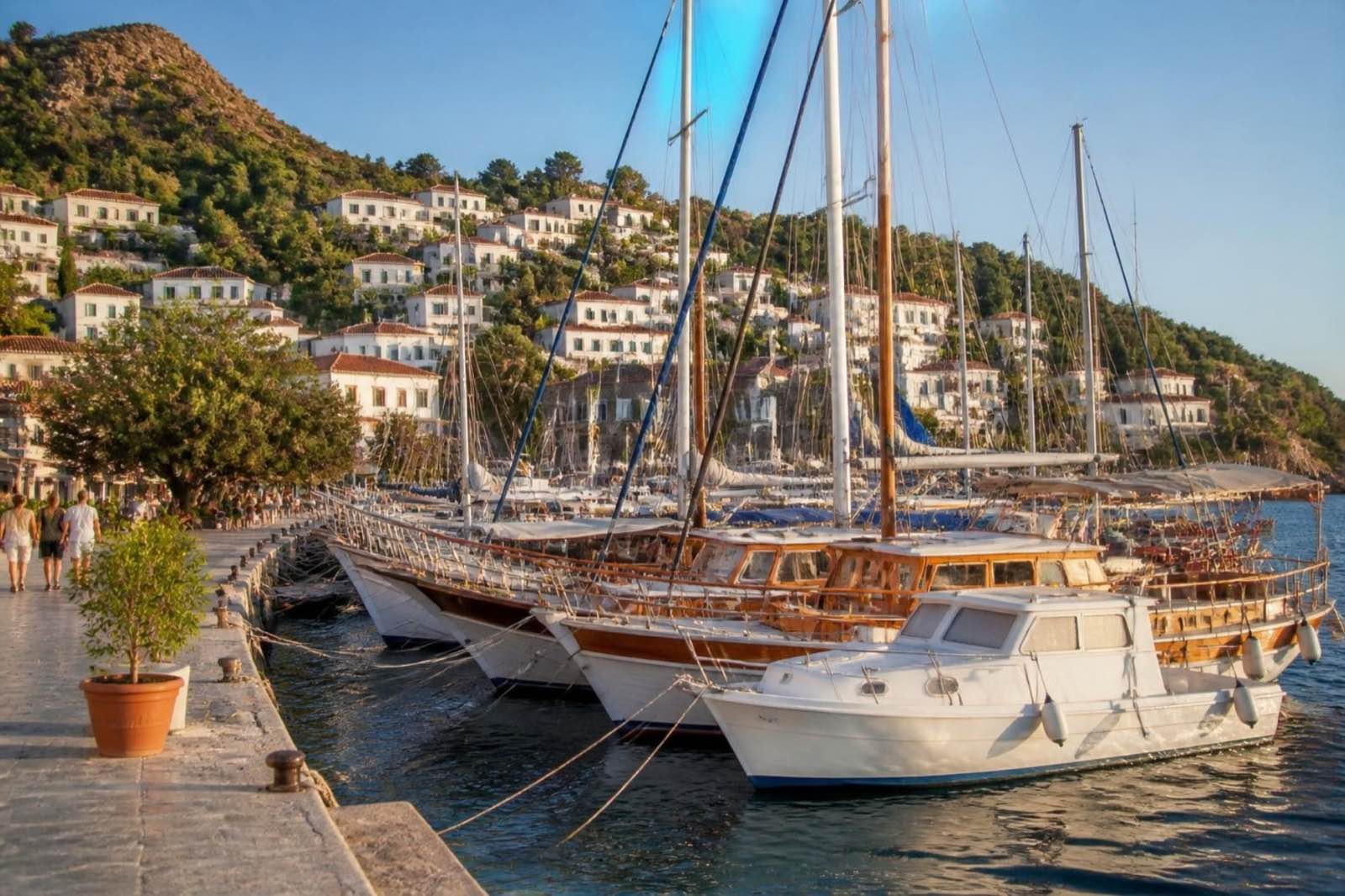
The western half of the coast is cut into peninsulas. Bodrum stands at the entrance to the Gulf of Gökova; Datça runs out between the Gökova and Hisarönü gulfs to the ruins of Knidos; Milas has some 150 km of shore of its own on the gulfs of Güllük and Gökova. Bodrum’s history goes back to Halicarnassus, whose Mausoleum was one of the Seven Wonders, and the Knights Hospitaller built the town’s castle from 1402.
East of Marmaris the shore turns Mediterranean. Lake Köyceğiz drains to the sea through the Dalyan channel, a protected landscape where loggerhead turtles nest at İztuzu beach, and Fethiye looks over a sheltered bay with Ölüdeniz’s lagoon to the south. Marinas line the whole coast, with the largest clusters at Bodrum, Marmaris, Fethiye and Güllük.
For a buyer, the practical point is that coast does not mean one thing. A peninsula villa, a flat a walk from Fethiye’s harbour and a house near a protected lagoon come with different neighbours, building rules and seasons.
The interior
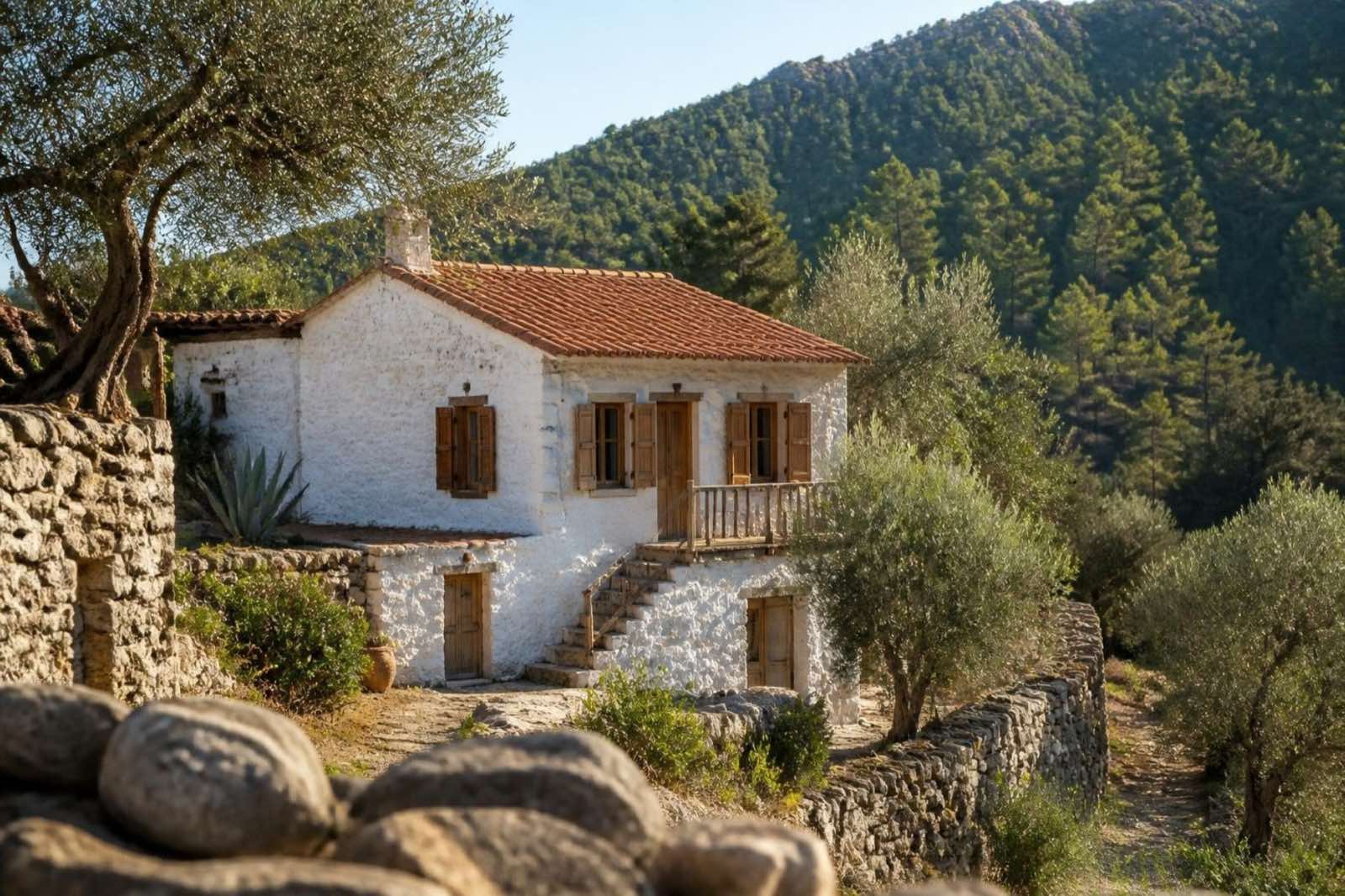
Inland Muğla is where the province’s administration and much of its everyday life sit. Menteşe holds Muğla city and Muğla Sıtkı Koçman University, founded in 1992, which now teaches over 40,000 students. Ula, 14 km away, keeps old houses in the Turkish style; Yatağan lies 26 km north of the capital, near ancient Stratonikeia; Kavaklıdere, at about 880 metres, is a forested district known for marble and slate.
Seydikemer, carved out of Fethiye district, runs from the uplands behind Fethiye down to a stretch of Mediterranean shore, with its town well inland. Homes away from the shore can suit buyers who want space, a garden and an all-year community, with the beach a drive rather than a walk away.
Flying in: two airports, two halves of the coast
Which airport you use shapes how a holiday home feels. Milas–Bodrum Airport opened in 1997 and handled 4,357,902 passengers in 2025. Dalaman Airport, open as an aerodrome since 1981, handled 5,577,142 and flies to more than 120 destinations.
BJV Milas–Bodrum Airport Open since 1997, 36 km north-east of Bodrum town and 16 km south of Milas.
- Bodrum
- Milas
DLM Dalaman Airport In Dalaman district, the arrival point for the resorts on both sides of it. Marmaris is about an hour away by car.
- Marmaris
- Köyceğiz
- Dalyan
- Dalaman
- Fethiye
Places each airport is the usual gateway for, west to east. Road times vary with season and traffic, so ask us for the drive from a specific address.
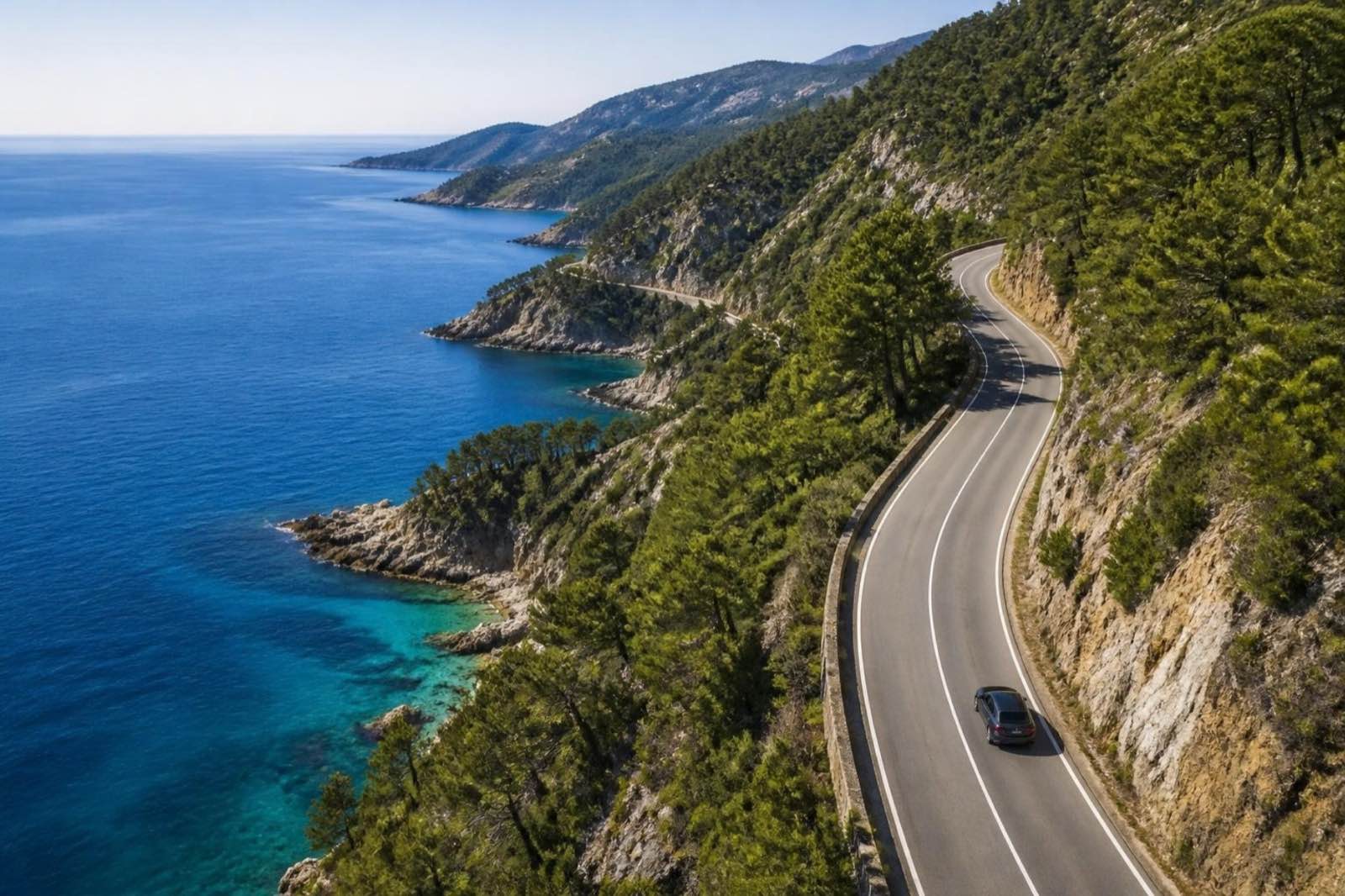
Distances on the map understate the drive. Coastal roads wind around bays and over headlands, and summer traffic slows them further, so we time the trip from the nearest airport to any home you shortlist.
Holiday lets and the 2024 permit
Many buyers here hope to cover costs by letting the home to holidaymakers. Law No. 7464, in force since 1 January 2024, requires a permit from the Ministry of Culture and Tourism for any home let for tourism for 100 days or less at a time. The permit plaque must be shown at the entrance, and letting without one carries fines that start at 100,000 lira per property.
In a building with several flats, the application needs the unanimous agreement of the other owners, with limited exceptions. On a complex of several buildings, only the building containing the flat counts; the Constitutional Court upheld that rule in a decision published on 2 April 2026.
If rental income matters to your plan, ask us to confirm whether a permit already exists for a property, or whether the neighbours are likely to agree, before you make an offer.
Matching a district to a plan
Start from how often you will be here and what you need nearby, then narrow down to a district.
Summers and long weekends
Pick the airport first, then the stretch of coast within easy reach of it: the Bodrum peninsula from BJV, or Fethiye, Dalyan and Marmaris from DLM.
Buying to let
A detached villa, or a flat whose neighbours will sign the consent, makes the tourism permit realistic. Check before the price is agreed, not after.
Moving here
Fethiye, Milas, Marmaris and Muğla city are sizeable towns with large resident populations of their own, while an inland address deserves a look if land and a garden matter more to you than a sea view.